A Practical Guide to OEM Quality Control Checkpoints During Production
This guide offers an in-depth look at OEM quality control checkpoints during production, detailing in-line inspection, advanced testing, and robust communication protocols. As an experienced OEM/ODM manufacturer with over 10 years in the industry, XMT Global (Xinmeili Technology) ensures your produc
Understanding the Importance of OEM Quality Control Checkpoints
For international brand owners, importers, and product development teams, ensuring consistent product quality during mass production is crucial. OEM quality control checkpoints are essential for identifying defects early, reducing rework costs, and maintaining brand reputation. As an experienced OEM/ODM manufacturer based in Dongguan, Guangdong, China, XMT Global (Xinmeili Technology) leverages over 10 years of experience to ensure your products meet the highest quality standards.
Key OEM Quality Control Checkpoints During Production
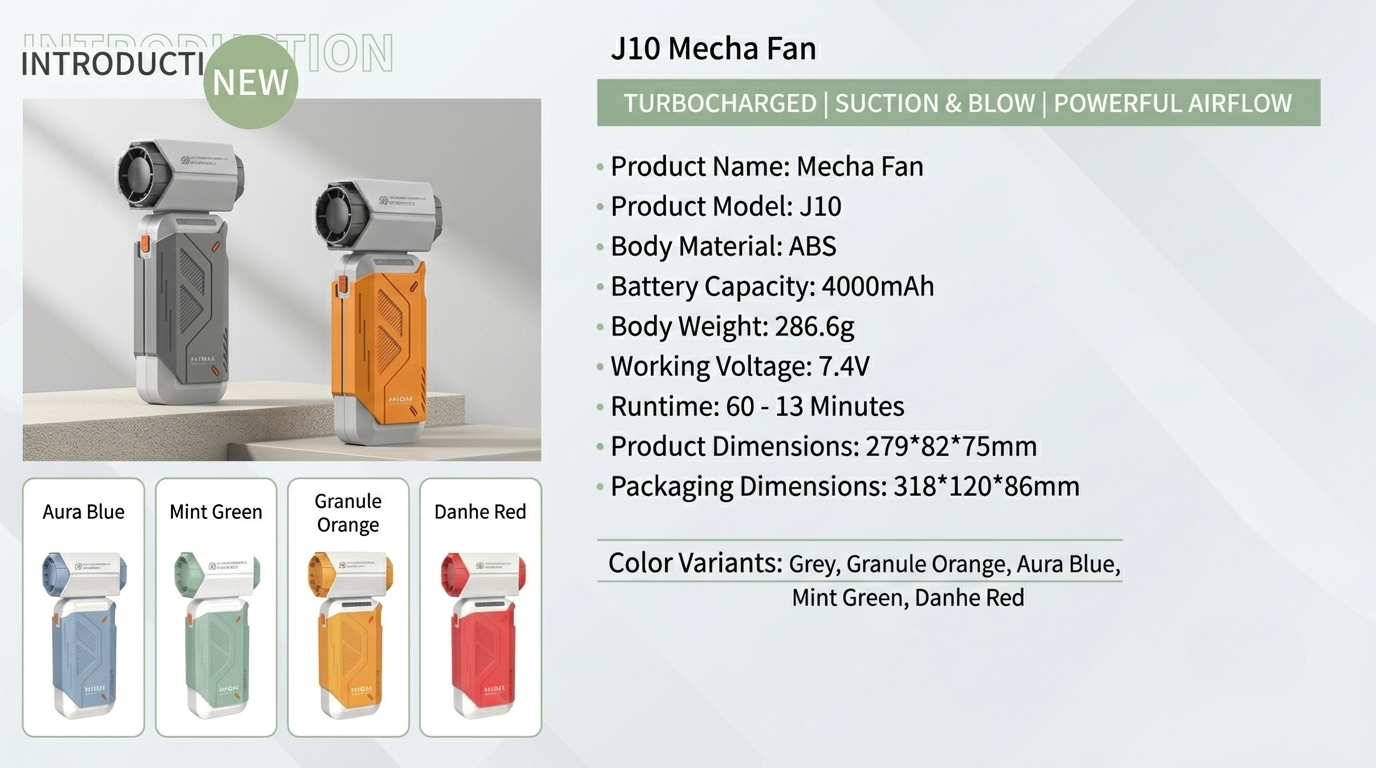
Effective quality control involves a series of checkpoints designed to monitor and verify product quality at various stages of production. Below is a table outlining the common OEM quality control checkpoints we employ:
| Checkpoint | Description | Purpose |
|---|---|---|
| Incoming Material Inspection | Verification of raw material specifications and quality | Ensure materials meet design and safety standards |
| First Article Inspection (FAI) | Comprehensive inspection of the first production unit | Confirm production processes align with specifications |
| In-Process Inspection | Regular checks during production | Identify and rectify issues early in the production cycle |
| Final Random Inspection (FRI) | Inspection of finished products selected at random | Ensure final products meet quality standards before shipment |
| Functionality Testing | Testing products against intended use cases | Confirm product functionality and performance |
These checkpoints are integral to our quality control process, ensuring that each product meets the highest standards before it reaches the end consumer.
In-Line Inspection: Real-Time Quality Assurance
In-line inspection is a critical component of our quality control process. It involves real-time monitoring of the production line to detect and correct defects as they occur. This proactive approach minimizes the risk of producing defective products and reduces waste. Our factory utilizes advanced monitoring systems and skilled inspectors to perform in-line inspections, ensuring that each unit adheres to the specified quality standards.
The Role of Advanced Testing Equipment in Quality Control
The use of advanced testing equipment is essential for maintaining high-quality standards. At XMT Global, we employ a range of sophisticated tools to ensure product quality, including:
- Coordinate Measuring Machine (CMM) for precise dimensional measurements
- Environmental chambers for testing product performance under various conditions
- Electrical safety testers to verify product compliance with safety standards
- Spectrometers for material composition analysis
These tools enable us to conduct thorough testing and validation, ensuring that our products perform reliably under diverse conditions.
Communication Protocols for Effective Quality Control
Clear and efficient communication is vital for successful quality control. Our factory employs robust communication protocols to ensure that all stakeholders are informed and aligned throughout the production process. This includes:
- Regular updates on production status and quality metrics
- Immediate reporting of any issues or deviations from specifications
- Collaborative problem-solving with clients to address quality concerns
- Detailed documentation of quality control processes and outcomes
By maintaining open lines of communication, we ensure that our clients are fully informed and involved in the quality control process.
Common Pitfalls in OEM Quality Control and How to Avoid Them
Despite best efforts, several common pitfalls can undermine quality control efforts. These include:
- Inadequate Training: Insufficient training of quality control personnel can lead to inconsistent inspections. To avoid this, we provide comprehensive training programs for our inspectors.
- Poor Communication: Lack of clear communication can result in misunderstandings and errors. We mitigate this by implementing structured communication protocols.
- Insufficient Testing: Inadequate testing can leave defects undetected. Our use of advanced testing equipment and rigorous testing protocols ensures thorough quality assurance.
- Lack of Documentation: Poor documentation can hinder traceability and accountability. We maintain detailed records of all quality control activities.
By being aware of these pitfalls and implementing preventive measures, we uphold the integrity of our quality control processes.
Frequently Asked Questions
What is the typical lead time for production?
Our standard lead time is 15 days, which includes all quality control checkpoints and inspections.
What certifications does XMT Global hold?
XMT Global is certified with CE, RoHS, FCC, UN38.3, UKCA, CCC, PSE, and KCC, ensuring our products meet international quality and safety standards.
What is the minimum order quantity (MOQ)?
Our minimum order quantity is 500 units, making us an ideal partner for both small and large-scale production runs.
Can XMT Global handle custom OEM/ODM projects?
Yes, we specialize in custom OEM/ODM projects, offering full customization support from design to manufacturing.
What is the production capacity of XMT Global?
Our factory has a production capacity of over 150,000 units per month, supported by a 3,000+ m² facility.
How does XMT Global ensure product quality?
We ensure product quality through rigorous in-line inspections, advanced testing equipment, and comprehensive quality control protocols.
For more information on how XMT Global (Xinmeili Technology) can support your OEM/ODM manufacturing needs, please contact us to discuss your specifications or project requirements.