How to Audit a Dongguan Manufacturing Facility for Compliance
Auditing a Dongguan manufacturing facility is crucial for international brand owners and sourcing managers to ensure compliance and reliability. This guide covers essential steps, compliance standards, quality control evaluation, and communication assessment to help you make informed decisions when
How to Audit a Dongguan Manufacturing Facility for Compliance
For international brand owners, sourcing managers, and distributors, selecting the right OEM/ODM partner in Dongguan is a critical decision that directly impacts product quality, compliance, and long-term business success. A comprehensive factory audit is essential to verify the supplier's capabilities, ensure adherence to international standards, and assess overall reliability.
Key Compliance Standards for Dongguan Manufacturing Facilities
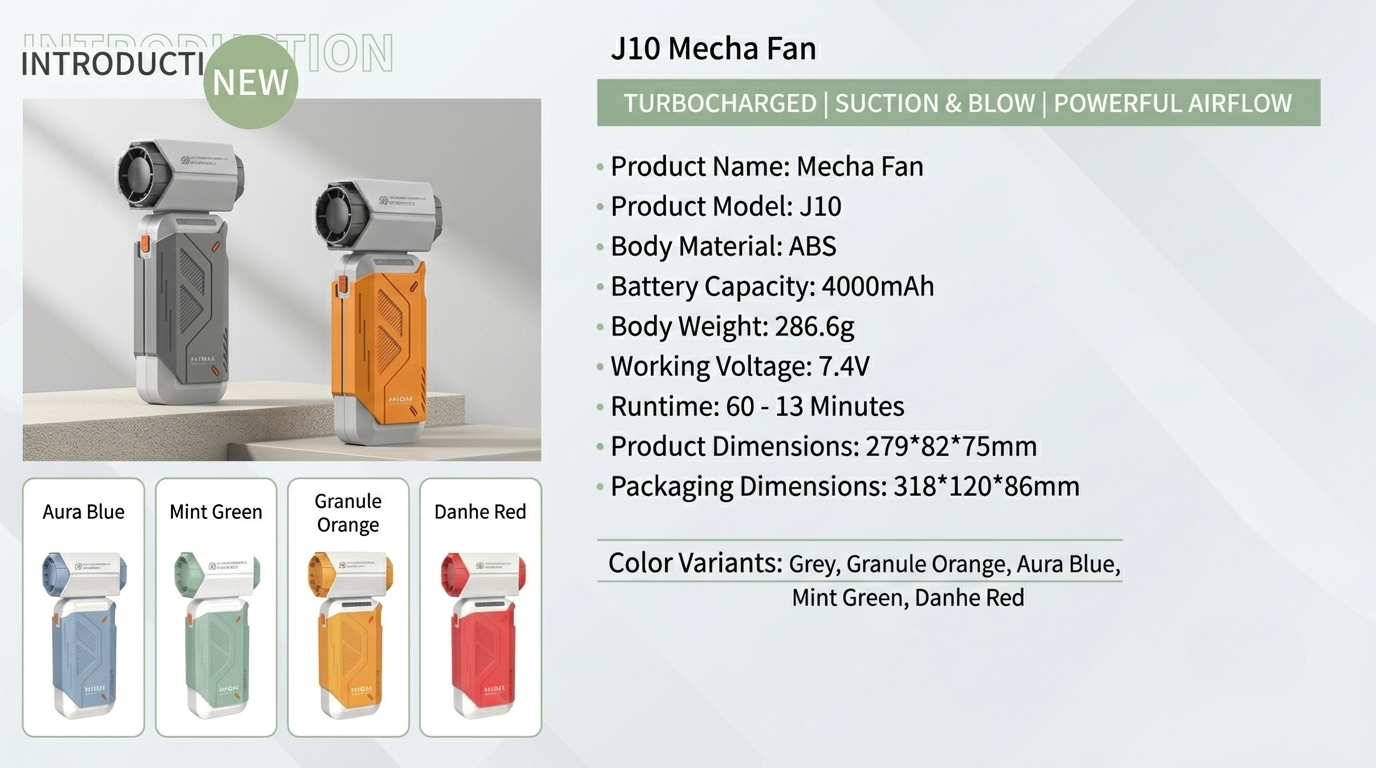
When evaluating a Dongguan factory, it is imperative to confirm their compliance with globally recognized standards. These certifications are not just formalities but assurances that the products meet stringent safety, environmental, and quality benchmarks. Here are the key certifications to look for:
- CE: Demonstrates conformity with health, safety, and environmental standards for products sold in the European Economic Area.
- RoHS: Ensures the restriction of hazardous substances in electrical and electronic equipment.
- FCC: Certifies electromagnetic compatibility and safety for electronic devices sold in the United States.
- UN38.3: Validates the safe transportation of lithium-ion batteries.
- UKCA: The UK Conformity Assessed mark for products sold in Great Britain.
- CCC: China Compulsory Certification for products sold in the Chinese market.
- PSE: Japan's mandatory safety certification for electrical appliances and materials.
- KCC: Certification for electromagnetic compatibility and radio communication equipment in South Korea.
At XMT Global (Xinmeili Technology), we hold all the above certifications, ensuring our products meet the highest international standards.
Steps to Conduct a Comprehensive Factory Audit
To ensure a thorough evaluation of a Dongguan manufacturing facility, follow these detailed steps:
- Preparation: Clearly define the audit scope, including specific areas such as production processes, quality control, and facility conditions. Establish the criteria against which the factory will be assessed, such as international standards and your company's specific requirements.
- Documentation Review: Examine the factory's documentation, including certifications, licenses, and past audit reports. This step verifies their claims of compliance and provides insight into their commitment to quality and safety.
- On-Site Inspection: Visit the facility to assess its production capacity, machinery, and working conditions. Pay close attention to cleanliness, organization, and the implementation of safety protocols. For instance, at XMT Global, our 3,000+ square meter facility is designed to optimize workflow and ensure a safe working environment.
- Employee Interviews: Conduct interviews with a cross-section of employees to gain insights into the factory's operational practices and management style. This can reveal much about the factory's culture and commitment to quality.
- Performance Analysis: Evaluate the factory's performance based on key indicators such as defect rates, production output, and adherence to timelines. For example, our factory maintains a defect rate of less than 1%, reflecting our stringent quality control processes.
- Report and Follow-Up: Compile the findings into a detailed report and discuss any areas of concern with the factory management. This step is crucial for implementing corrective actions and ensuring continuous improvement.
Evaluating Quality Control Systems and Processes
Quality control is a cornerstone of manufacturing excellence. When auditing a Dongguan factory, consider the following aspects of their quality control systems:
- QC Checkpoints: Ensure the factory has well-defined quality checkpoints throughout the production process. This includes raw material inspection, in-process checks, and final product testing.
- Testing Equipment: Verify the availability and functionality of necessary testing equipment. Modern, well-maintained equipment is crucial for accurate quality assessments.
- Defect Rates: Analyze the factory's defect rates and their procedures for handling defective products. Our factory consistently maintains low defect rates through rigorous quality control measures.
- Supplier Audits: Assess the factory's approach to auditing their own suppliers. This ensures the quality and consistency of raw materials, which is vital for product integrity.
The table below provides a comparison of key audit areas and their importance:
| Audit Area | Importance | Key Indicators |
|---|---|---|
| Production Capacity | High | Monthly output, facility size, workforce size |
| Quality Control | Critical | QC checkpoints, testing equipment, defect rates |
| Documentation | High | Certificates, licenses, audit reports |
| Communication | Medium | Response time, language proficiency, clarity |
Assessing Supplier Communication and Responsiveness
Effective communication is the backbone of a successful partnership. When evaluating a Dongguan factory, consider the following communication aspects:
- Response Time: Assess the factory's ability to respond promptly to inquiries and issues. At XMT Global, we pride ourselves on our quick response times, ensuring that our clients' needs are addressed swiftly.
- Language Proficiency: Ensure the factory staff have adequate language skills to facilitate clear communication. Our team is proficient in multiple languages, including English, to ensure seamless communication with international clients.
- Clarity: Evaluate the clarity and transparency of the factory's communication regarding processes, timelines, and expectations. We believe in maintaining open and transparent communication with our clients at all times.
Common Mistakes to Avoid When Auditing a Dongguan Factory
When conducting a factory audit in Dongguan, it's important to be aware of common pitfalls that can undermine the effectiveness of the audit. Here are some key mistakes to avoid:
- Underestimating Language Barriers: Language differences can lead to misunderstandings. Always ensure that you have a reliable interpreter or that the factory's staff are proficient in your language.
- Ignoring Cultural Nuances: Understanding local customs and business practices can greatly enhance your audit experience. Take the time to familiarize yourself with Chinese business culture.
- Overlooking Local Regulations: Familiarize yourself with local laws and regulations that may impact the audit process. This includes labor laws, environmental regulations, and safety standards.
- Insufficient Documentation Review: Relying solely on on-site observations without thoroughly reviewing documentation can lead to incomplete assessments. Always ensure that all necessary documents are examined.
Frequently Asked Questions
1. What is the typical MOQ for working with XMT Global?
Our minimum order quantity (MOQ) is 500 units, with a lead time of 15 days.
2. What certifications does XMT Global hold?
We are certified with CE, RoHS, FCC, UN38.3, UKCA, CCC, PSE, and KCC, ensuring our products meet international standards.
3. Can XMT Global handle custom OEM/ODM projects?
Yes, we specialize in OEM/ODM projects, offering full customization support to meet your specific requirements.
4. What is the production capacity of XMT Global?
Our factory has a capacity of 150,000+ units per month, supported by a 3,000+ square meter facility.
5. How does XMT Global ensure quality control?
We have stringent quality control processes in place, including multiple QC checkpoints, advanced testing equipment, and a low defect rate of less than 1%.
6. What is the communication process like with XMT Global?
We prioritize clear and prompt communication, with a dedicated team available to address your inquiries and provide updates throughout the production process.
For more information or to discuss your project requirements, please contact us. We look forward to the opportunity to partner with you.