CE FCC UKCA RoHS Certification Guide for Hair Dryers: Standards, Process & Compliance
A comprehensive guide to the key certifications required for hair dryers in the EU, UK, and US markets. Understand the standards, testing processes, and how to ensure your product is compliant from the start.
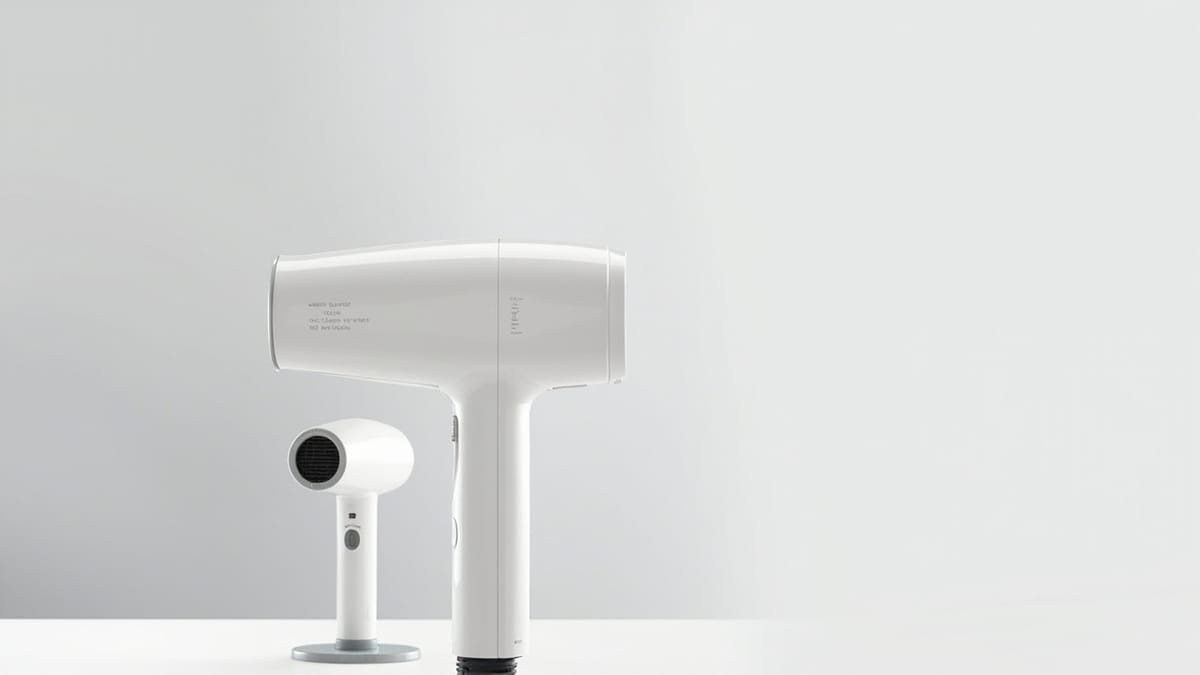
CE FCC UKCA RoHS Certification Guide for Hair Dryers
Introduction
Exporting hair dryers to major markets requires navigating a complex landscape of product certifications. Whether you are targeting the European Union, the United Kingdom, or the United States, compliance with standards such as CE, FCC, UKCA, and RoHS is not optional—it is a legal requirement. This guide provides a clear, factual overview of each certification, what it means for your hair dryer product, and how to work with a manufacturer that can support you through the process.
Why Certifications Matter for Hair Dryers
Hair dryers are electrical appliances that must meet strict safety, electromagnetic compatibility, and environmental standards. Certifications demonstrate that your product has been tested and meets the applicable regulations. Without proper certification, your goods may be detained at customs, subject to fines, or removed from the market. For B2B buyers, working with a manufacturer experienced in certification processes can save months of delays and thousands of dollars in re-testing costs.
Overview of Key Certifications
| Certification | Market | Primary Focus | Key Standards |
|---|---|---|---|
| CE | European Union (EU) + EEA | Safety, EMC, low voltage | EN 60335-1, EN 55014-1, EN 55014-2 |
| UKCA | United Kingdom | Safety, EMC (post-Brexit) | BS EN 60335-1, BS EN 55014-1 |
| FCC | United States | Electromagnetic interference | FCC Part 15 |
| RoHS | EU, UK, many others | Restriction of hazardous substances | Directive 2011/65/EU |
CE Certification for Hair Dryers
The CE marking indicates that a product conforms to EU health, safety, and environmental protection legislation. For hair dryers, the relevant directives include:
- **Low Voltage Directive (LVD) 2014/35/EU**: Covers electrical safety up to 1000V AC. Hair dryers must be tested for protection against electric shock, mechanical hazards, and overheating.
- **Electromagnetic Compatibility (EMC) Directive 2014/30/EU**: Ensures the device does not emit excessive electromagnetic interference and is immune to external interference.
- **ErP Directive (Energy-related Products)**: Some energy efficiency requirements may apply.
Testing Process
1. Product classification: Determine applicable standards (e.g., EN 60335-1 for household appliances).
2. Sample testing: A certified lab tests the product for safety and EMC.
3. Technical file: The manufacturer compiles a technical file including design, test reports, and risk assessment.
4. Declaration of Conformity: The manufacturer signs a DoC and affixes the CE mark.
Note: CE marking is self-declared but must be backed by valid test reports from an accredited laboratory. Some products may require Notified Body involvement.
UKCA Certification for Hair Dryers
Since the UK left the EU, the UKCA (UK Conformity Assessed) marking has replaced CE for products placed on the Great Britain market (England, Wales, Scotland). Northern Ireland continues to accept CE marking under the Northern Ireland Protocol.
Key Differences from CE
- Standards are identical (BS EN versions of EN standards).
- The technical file must be held by an authorized representative in the UK.
- Transitional arrangements allow CE-marked goods to be sold until specific deadlines (check current government guidance).
Practical tip: If you plan to sell in both EU and UK, you may need both CE and UKCA documentation. Many manufacturers design products to meet both sets of requirements simultaneously.
FCC Certification for Hair Dryers
The Federal Communications Commission (FCC) regulates electromagnetic emissions from electronic devices sold in the United States. Hair dryers typically fall under FCC Part 15 for unintentional radiators.
Compliance Routes
- **FCC SDoC (Supplier's Declaration of Conformity)**: The manufacturer tests the product in an FCC-accredited lab and issues a declaration. This is common for hair dryers.
- **FCC Certification**: Required for devices that intentionally emit RF energy (e.g., Bluetooth hair dryers). This involves testing by an FCC-recognized lab and filing with the FCC.
Testing Requirements
- Conducted and radiated emission limits.
- AC line conducted emissions.
- If the hair dryer has a motor, additional testing for harmonics may be needed.
Note: The FCC does not issue a certificate; the responsible party (importer or manufacturer) must keep records. Products must be labeled with an FCC logo and compliance statement.
RoHS Compliance for Hair Dryers
RoHS (Restriction of Hazardous Substances) Directive 2011/65/EU limits the use of lead, mercury, cadmium, hexavalent chromium, PBB, PBDE, and four phthalates (DEHP, BBP, DBP, DIBP) in electrical and electronic equipment. Hair dryers are within scope.
Compliance Steps
1. Material declaration: Suppliers must provide declarations that components are RoHS compliant.
2. Testing: Random testing of materials (e.g., solder, plastics, cables) to verify compliance.
3. Technical documentation: Maintain records of compliance for each batch.
Important: RoHS is not a certification mark but a legal requirement. However, many buyers request a RoHS test report from an accredited lab as proof.
How to Work with an OEM/ODM Manufacturer on Certifications
When sourcing hair dryers from a manufacturer like Xinmeili Technology, certification support is a critical service. Here is what to expect:
Initial Consultation
- Share your target markets (EU, UK, US, etc.) and any specific retailer requirements.
- The manufacturer should provide a list of certifications they already hold or can obtain for similar products.
Sample Testing
- Request samples for pre-compliance testing. Xinmeili offers sample support to help you verify performance and safety before mass production.
Documentation Support
- A reliable manufacturer will provide:
- Test reports from accredited labs (e.g., TÜV, SGS, Intertek).
- Technical files (schematics, BOM, user manual drafts).
- Declaration of Conformity templates.
Quality Control
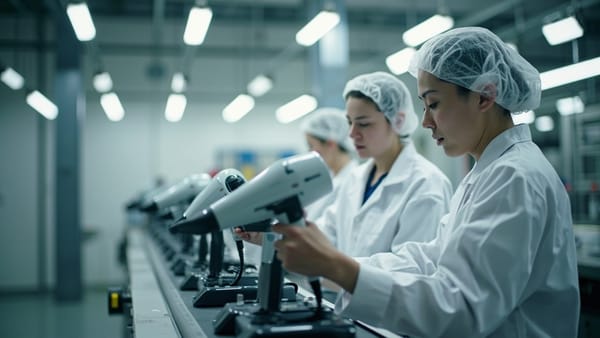
- Xinmeili operates a 4-stage QC process: incoming material inspection, in-process inspection, final random inspection, and pre-shipment inspection. This ensures consistency in certified products.
Export Coordination
- The manufacturer should assist with labeling requirements (e.g., CE mark size, FCC statement, UKCA logo).
- They should also coordinate with your freight forwarder to ensure customs clearance.
Common Pitfalls and How to Avoid Them
| Pitfall | Consequence | Solution |
|---|---|---|
| Using a non-accredited lab | Test reports rejected by authorities | Verify lab accreditation (e.g., ISO 17025) |
| Assuming CE covers UKCA | Goods blocked at UK border | Obtain separate UKCA documentation |
| Ignoring RoHS updates | Non-compliance with new phthalate restrictions | Regularly review RoHS substance list |
| Incomplete technical file | Delays in market entry | Work with manufacturer to compile full file |
| No authorized representative in EU/UK | Legal liability issues | Appoint a rep or use manufacturer's service |
Frequently Asked Questions
Q1: Can one test report cover both CE and UKCA?
A: Yes, if the testing lab is recognized in both jurisdictions and the standards are harmonized. However, separate technical files and declarations are needed for each market.
Q2: How long does certification take?
A: Typically 4–8 weeks for testing and documentation, depending on product complexity and lab workload. Pre-compliance testing can shorten the timeline.
Q3: Does the manufacturer hold the certificates?
A: Certificates are usually issued to the manufacturer or the importer. As a buyer, you can request copies of test reports and a letter of authorization to use them for your own declarations.
Q4: What if my hair dryer has Bluetooth or Wi-Fi?
A: Additional wireless certifications may be required (e.g., FCC ID for intentional radiators, RED for EU). Discuss this with your manufacturer early.
Q5: Are there any ongoing costs for maintaining certification?
A: Yes, for continued compliance you may need periodic testing (e.g., every 2–3 years) and updates if regulations change. Some manufacturers include this in their service.
Conclusion
Certification is a non-negotiable part of exporting hair dryers to regulated markets. By understanding the requirements for CE, FCC, UKCA, and RoHS, you can avoid costly delays and legal issues. Partnering with an experienced OEM/ODM manufacturer like Xinmeili Technology, which offers certification direction and support, streamlines the process and gives you confidence in your product's compliance.
Ready to Start Your Certified Hair Dryer Project?
Contact Gabor Lu, Partner & Sales Director at Xinmeili Technology, to discuss your certification needs and product requirements.
- **WhatsApp**: +86 18038304628
- **Email**: gaborlu@jlhy.cc
With a 120+ team, 15 R&D engineers, and a monthly capacity of 150,000+ units, we are equipped to support your private label and OEM projects from sample to shipment.